Welcome to 2026: Interior Design Trends Shaping the Year Ahead
As we step into 2026, a renewed focus on emotion, craftsmanship, and resilience is shaping the way we design our homes. Reflecting on the past year, designers leaned heavily into minimal palettes and stark modernism. Today, homeowners are embracing a shift—creating spaces that feel personal, layered, and truly lived in.
In essence, 2026 welcomes warmth, character, and personality, with technology thoughtfully integrated and subtly tucked away.
Earthy Vibrancy & Colour Drenching
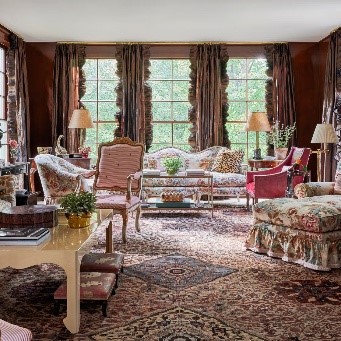
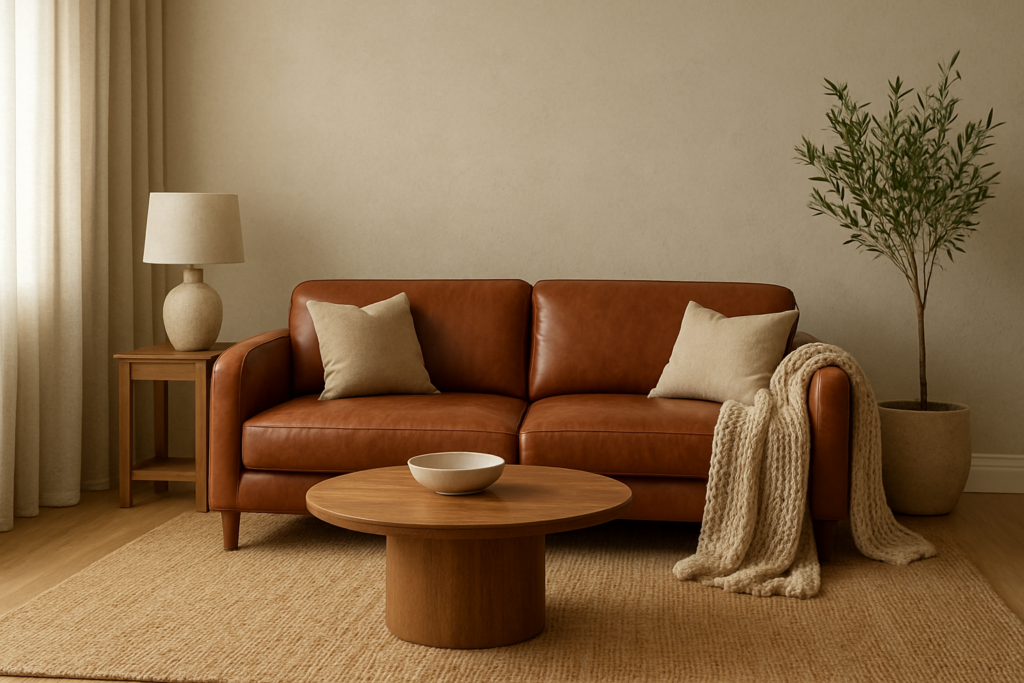
Imagine a journey through Tuscany and Moscow, where architecture and rich colour palettes terracotta, ochre, dusty emerald, and honey toned woods come alive. These emotionally rich hues inspire today’s interiors, signalling a clear departure from neutral monotony.
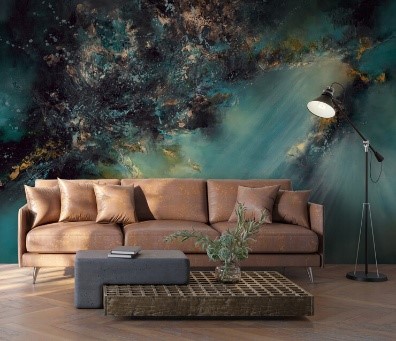
Colour drenching creates immersive, memorable spaces by allowing a single hue or palette to envelop a room. Earthy tones anchor us, while bold applications bring depth and drama.
Ways to embrace colour drenching:
- Start small by introducing bold colours in compact spaces such as powder rooms or hallways
- Create layered finishes with matte walls, satin trims, and textured textiles.
- Pair saturated walls with natural materials like stone or wood for balance.
Sculptural Furniture & Soft Curves
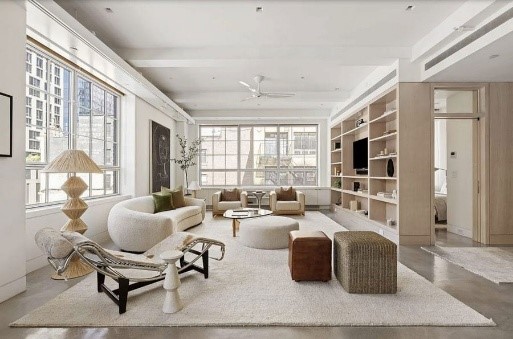
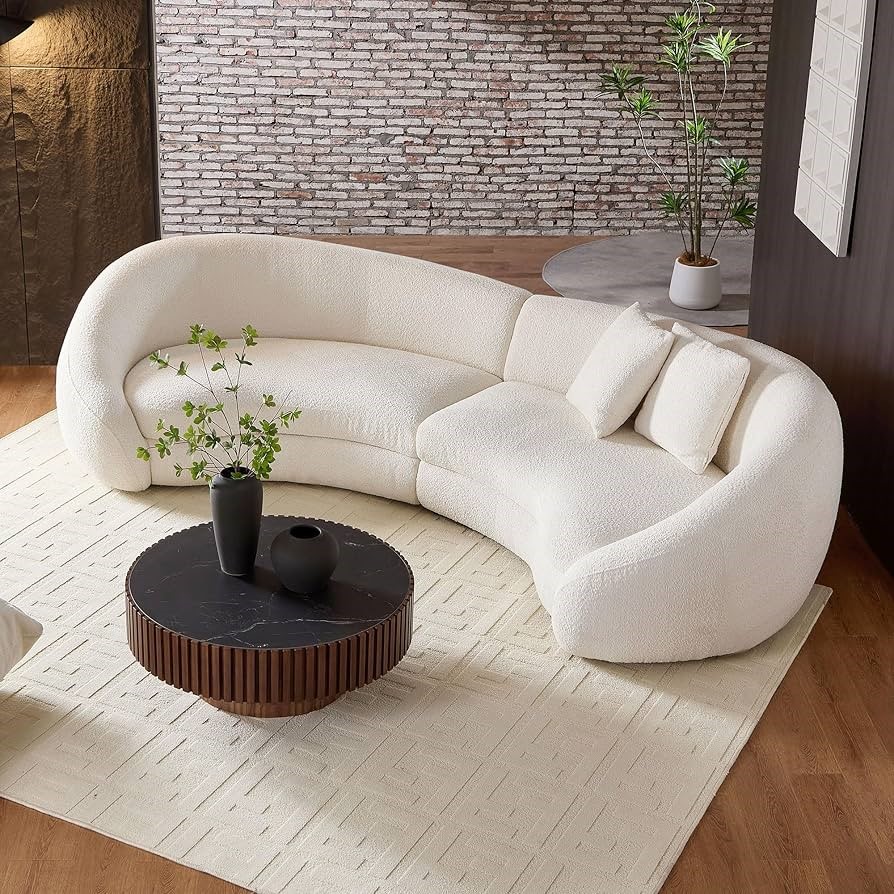
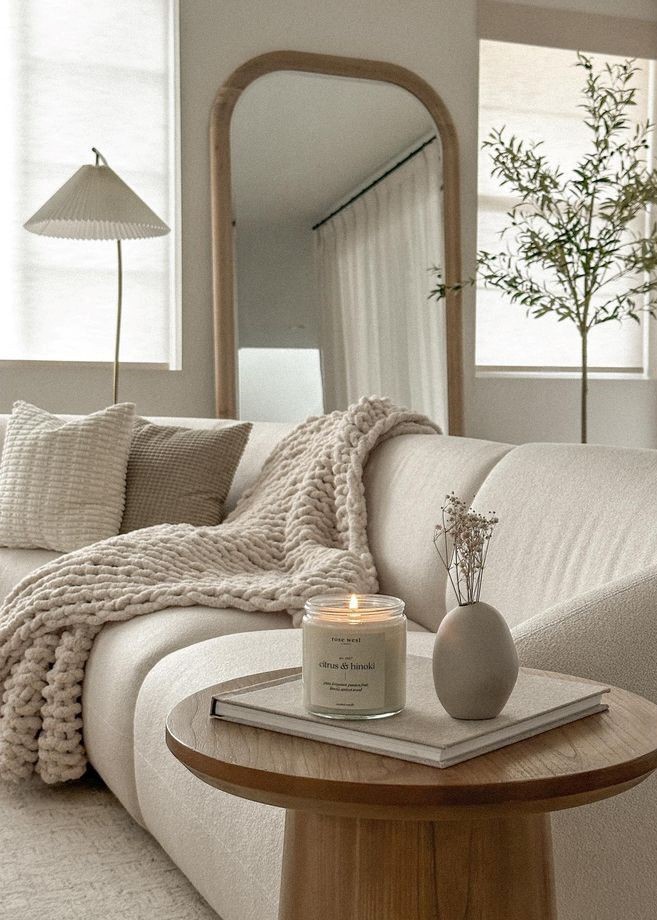
Timeless interiors in 2026 emphasize silhouette and form. Curved sofas, pillowy lounge chairs, and rounded shelving soften spaces while making furniture a sculptural focal point.
These soft curves draw the eye, foster a sense of comfort, and reflect a more human centered approach to design. Beyond aesthetics, these pieces support multi-functional living and adaptable layouts.
Ideas to introduce soft curves:
- Replace hard-edged furniture with low, curved seating or add a rounded coffee table.
- Incorporate arched elements through mirrors, doorways, or alcoves.
- Mix curves with linear architectural details to maintain visual balance.
Texture-Forward Layers
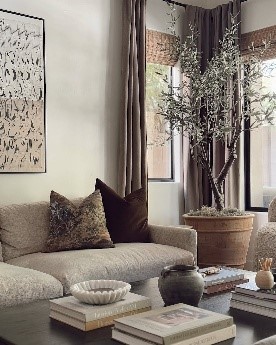
Texture plays a vital role in creating warmth and depth. Think boucle upholstery, hand troweled plaster, rough hewn wood, matte ceramics, and layered rugs each element adding tactile richness to a space.
Ways to layer texture effectively:
- Combine rough plaster backsplashes with smooth stone countertops for contrast.
- Add textile weight using linen curtains, chunky knit throws, and leather accents.
- Introduce textured paint or plaster feature walls to create visual depth.
Honest Materials & Sustainable Craft
A renewed appreciation for authentic, traceable materials defines 2026 interiors. Solid wood, terracotta, recycled metals, and artisan-made ceramics not only age beautifully but also tell meaningful stories.
Homeowners are prioritizing sustainability and longevity, choosing pieces that reduce environmental impact while enhancing individuality.
How to incorporate sustainable craft:
- Source statement pieces from vintage or antique markets.
- Invest in solid wood furniture with repairable, long-lasting finishes.
- Complete spaces with artisanal accessories such as hand-thrown pottery or woven baskets.
Biophilia & Wellness-Driven Design
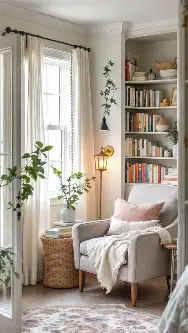
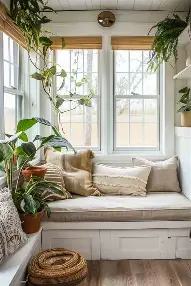
Design in 2026 reconnects us with nature. Biophilic elements living walls, abundant greenery, and natural materials support wellness by improving air quality and enhancing mood, focus, and sleep.
Homes are no longer just visually appealing; they are designed to support well-being.
Wellness-focused design ideas:
- Prioritize natural light by using sheer or linen drapes instead of heavy curtains.
- Introduce greenery with statement plants or vertical gardens, and choose low-VOC paints and finishes.
- Mimic natural daylight cycles through layered lighting strategies.
Invisible Technology: Smart Yet Subtle
Technology in 2026 is seamless and unobtrusive. Designers are integrating smart systems that enhance daily life without creating visual clutter concealed speakers, integrated controls, and adaptive lighting.
The focus is on homes that support living, not gadgets that demand attention.
Subtle tech solutions to consider:
- Install smart lighting systems controlled via apps or preset scenes.
- Choose furniture with built-in charging and discreet cable management to keep surfaces clutter-free.
Multipurpose Spaces & Flexible Furniture
As lifestyles evolve, interiors must adapt. Rooms now serve multiple functions from guest areas to workspaces through flexible design solutions.
Modular sofas, fold away desks, and movable partitions allow spaces to shift effortlessly, ensuring longevity and functionality.
Design strategies for flexibility:
- Replace fixed walls with open shelving to define zones.
- Use rugs and lighting to subtly separate areas within open-plan spaces.
Statement Lighting & Ceilings as a Canvas
Lighting has become both functional and sculptural. Through layered ambient, task, and accent lighting, designers are adding depth and drama. Ceilings are also gaining attention as a design feature painted, textured, or adorned with statement pendants.
Refreshing your space without a full overhaul:
- Choose one signature element and build your design around it.
- Add character with a curated vintage piece mixed with contemporary furnishings.
- Select materials and finishes that will age gracefully and remain timeless

No Comments